How Much is a Car Service?

An interim service usually costs somewhere between £80 and £150, and a full service typically runs between £150 and £300. A major service (the deeper, less frequent one) tends to land between £250 and £450, and can go higher on a premium car.
That said, full services can differ by £150 and both be fair prices. What changes the price is the type of service, the car itself, and who's doing the work. Once you know those three things, "how much should this cost me?" stops being a guessing game.
What does a car service cost in the UK?
Before we break this down by service type, it's worth understanding that costs move around the UK.
Labour rates are the biggest hidden variable. Independent garages tend to charge somewhere between £36 and £90 an hour. Main dealers charge more, often £90 to £130 an hour, sometimes higher in and around London. That gap alone can add £50 to £100 to an identical job, before a single part gets ordered.
Location does the rest. A service booked in central London or will usually cost more than the same job in the North East or Wales, simply because rent, wages and overheads are higher for the garage doing the work. None of this is dodgy pricing. It's just the shape of the market, and once you know that, a quote that looks "expensive" next to one you saw online often makes a lot more sense.
Average cost of different types of car service
Interim service cost
Typical cost: £80-£150 at an independent garage, rising to around £180-£250 at some national chains depending on engine size.
An interim service is the lighter, more frequent check-up. It's built for two kinds of driver: the high mileage driver doing 15,000-plus miles a year, and anyone who just wants more regular eyes on the car between the big annual service. Every six months, roughly, or every 6,000 miles (whichever comes first).
It's not a replacement for a full service, though. It's the thing that sits in between.
Full service cost
Typical cost: £150-£300 for small to medium cars, rising to £300-£400+ for larger or more complex vehicles.
This is the one most people mean when they say "I need a service". Once a year, or every 12,000 miles, whichever arrives first. It's the standard rhythm of ownership - the check that keeps a warranty valid, keeps a service history intact, and catches the small stuff before it becomes the expensive stuff.
Real average full-service prices by make, based on recent UK data, run from about £277 for a Ford up to £327 for a Land Rover. Premium badges and bigger engines nudge the number up (just because there’s more parts, more specialist knowledge, sometimes longer labour time).
Major service cost
Typical cost: £250-£450, and sometimes more on premium or high-mileage vehicles.
A major service is the deep one. Every two years, or every 24,000 miles. It goes further than a full service, with more parts replaced, more systems checked, sometimes a cambelt or timing chain inspection thrown in depending on the manufacturer's schedule. That's exactly why it costs more. You're not being charged extra for nothing; you're paying for the stuff a full service simply doesn't touch.
What's included in these costs?
Whar's included in an interim service:
An oil and filter change sits at the centre of it. Around that: a check of tyre condition and pressure, a look at brake pads and discs, fluid levels topped up, and a general once-over for anything obviously wrong (say, a warning light that's come on or a leak that shouldn't be there).
What's included in a full service:
Everything the interim covers, plus a fair bit more. Air filter replacement. A more detailed brake inspection. Suspension and steering checks. Exhaust inspection. Seatbelt and airbag system tests. Spark plugs, where the schedule calls for it.
The full service doesn’t repeat the interim. It goes deeper into the same areas and adds several it doesn't touch at all.
What's included in a major service:
This is preventative maintenance. Alongside everything from a full service, a major service typically brings brake fluid replacement, coolant checks or changes, fuel filter replacement, and (depending on the manufacturer's schedule and mileage) a look at the cambelt or timing chain.
Skip this level for long enough and the components it's designed to catch are exactly the ones that fail expensively and without warning.
What affects the cost of a car service?
Two full services can be £150 apart and both be entirely fair. Here's why.
1. Vehicle make, model and engine size
Bigger engines need more oil, more specific parts, and often more time on the ramp. Premium brands (BMW, Audi, Mercedes, Land Rover…) tend to sit at the top of the price table, and it's rarely about the badge alone. Parts for these cars are often manufacturer-specific rather than generic, and that pushes the bill up before labour is even factored in.
2. Type of garage you choose
Main dealers charge the most, but you get manufacturer-trained technicians and original manufacturer parts as standard. Independent garages usually cost less (sometimes 30-40% less for the same job) and quality varies more, though a good independent with solid reviews is often just as capable as a dealer. National chains sit somewhere in between, with fixed pricing that's easy to compare online but not always the cheapest option once you look past the headline figure.
None of these is automatically the "right" choice. It depends what you value: manufacturer paperwork for resale, lower cost, or convenience of booking.
3. Parts, oil and labour costs
At the end of it, every invoice comes down to parts and labour, plus the oil that goes in between.
Full synthetic oil costs more than semi-synthetic. Manufacturer parts cost more than aftermarket equivalents (sometimes considerably more). And labour time varies by how fiddly the car is to work on; a modern car with more sensors and electronics simply takes longer to check properly than something a decade older with less going on under the bonnet.

How often should you service your car?
Once a year, or every 12,000 miles (whichever comes first).
That said, if you're covering serious mileage (15,000 or more a year), an interim service slotted in every six months between full services can really be worth it. High mileage puts more wear on brakes, tyres and oil condition than time alone does, and a once-a-year check simply isn't watching closely enough for that.
A major service follows its own separate clock: every two years or 24,000 miles, again whichever arrives first. Check your car's handbook or service schedule for the exact intervals, as they do vary slightly by manufacturer, and getting it wrong in either direction (too often, not often enough) either wastes money or risks the expensive kind of surprise.
Is a major car service worth the cost?
Yes, for most cars, most of the time.
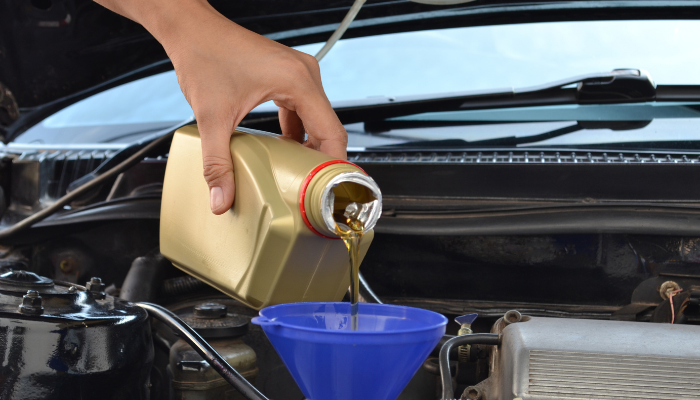
A major service on a car that's covered serious mileage definitely isn't a luxury add-on. Skipping it to save £200 now is how people end up with a £1,500 gearbox bill or a snapped cambelt eighteen months later (and a snapped cambelt on an interference engine doesn't just mean a new belt, it usually means expensive damage to the valves and pistons too).
There are exceptions. A very low-mileage car that's barely covered 10,000 miles in two years might not need everything a major service throws at it just yet. A good garage should tell you that rather than push the full works regardless. But for anything approaching 24,000 miles or two years since the last major work, it's due.
How to save money on car servicing
- Compare garages before you book: prices for the same job can vary by £100 or more between an independent and a main dealer. Get more than one quote, especially for a full or major service.
- Stick to the schedule: delaying a service to "save money" this month usually costs more later, once small wear turns into a repair.
- Be wary of unnecessary add-ons: some garages upsell extras during a service (treatments, top-ups, "while we're in there" work). Ask what's actually required versus what's optional before you agree to anything, otherwise you're out of pocket for work the car never needed.
- Maintain the car yourself between services: checking tyre pressure, topping up washer fluid, and keeping an eye on warning lights costs nothing and catches small problems before they reach the workshop.
- Book your MOT and service together where you can: a lot of the checks overlap, which saves you a second visit and, often, a second set of labour charges.
At MotorEasy, our servicing runs up to 40% cheaper than the equivalent job at a main dealer, carried out to the manufacturer's specification, through an approved network of over 10,000 vetted garages across the UK.
Plus, get a FREE MOT when you book a full manufactuer's service!
Frequently asked questions
How much should a car service cost?
For most cars, a full service should cost somewhere between £150 and £300, with interim services lower and major services higher. Beyond that, it depends heavily on the car's size, age and engine, plus whether you're using a main dealer, an independent garage or a national chain.
How much is a full service on a car?
Typically £150-£300 for small to medium cars, and £300-£400 or more for larger or premium vehicles. Real average prices by make currently sit between roughly £277 (Ford) and £327 (Land Rover), based on recent UK pricing data.
What is the average cost of a full car service in the UK?
Around £200-£280 is a fair national average for a full service on a typical family car, though this shifts depending on where in the UK you are and which type of garage does the work.
How much are car services for different vehicles?
Small cars generally cost the least to service (often £150-£220 for a full service). Medium cars usually sit around £210-£300. Large cars, SUVs and premium models can push well past £350, sometimes reaching £450 or more for a major service.
Do I need a full or major service?
If it's been roughly a year, or 12,000 miles, since the last service (a full service). If it's been two years, or 24,000 miles, or your manufacturer's schedule specifically calls for one, do a major service. When in doubt, your service history (or a quick check with your garage) will usually tell you exactly which one is due.